Phone:
+254 712 735 396
Location:
Fedha, Off Outering Road

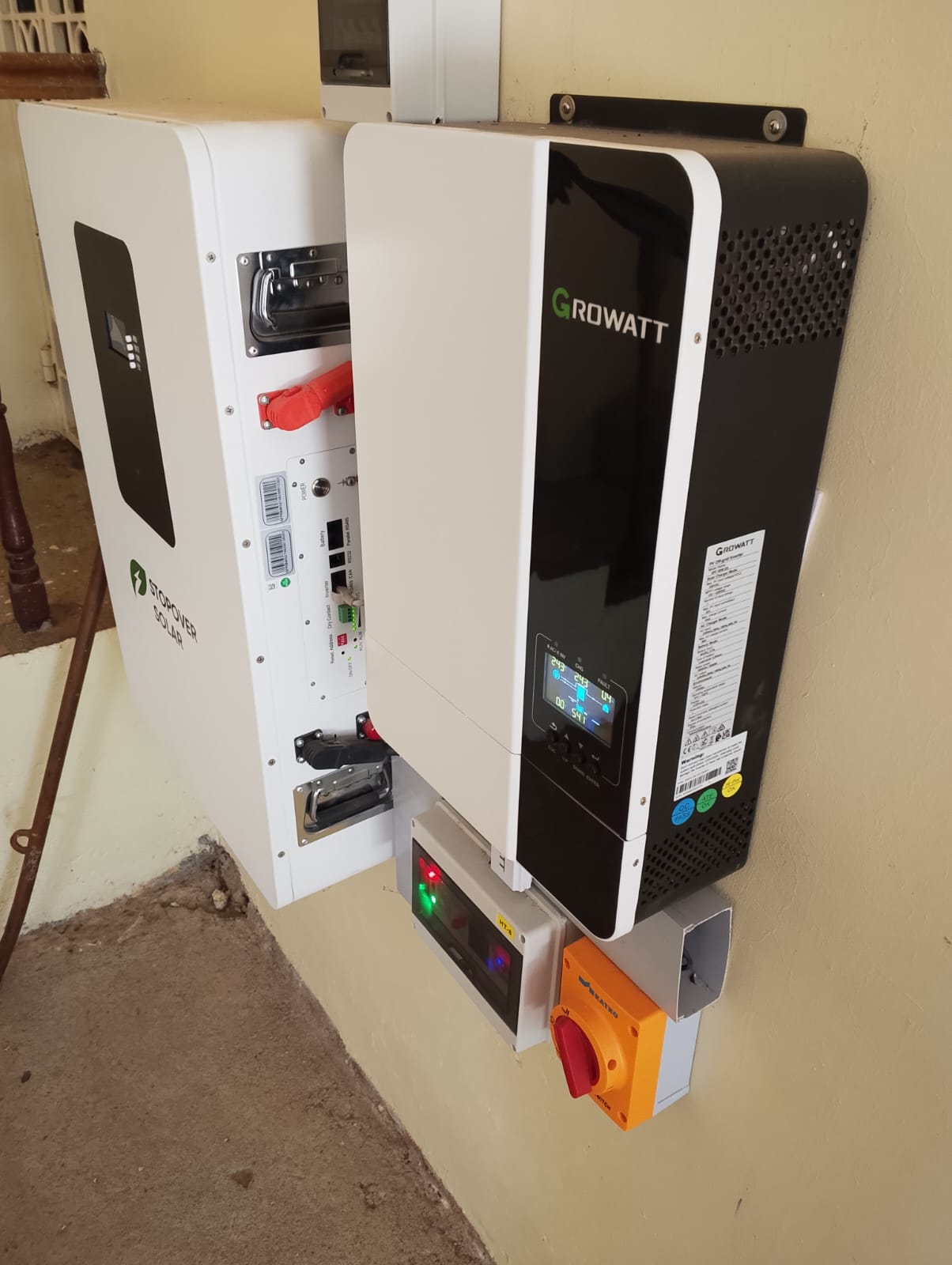
A tripping breaker is your home's way of saying something's wrong. Sometimes it's an overloaded socket; sometimes it's a wiring fault waiting to become a fire. Learn the difference before you flip that switch again…
Think of your circuit breaker as the security guard of your home’s electrical system. It stands watch over every wire, outlet, and appliance, ready to shut things down the moment danger appears. When everything runs smoothly, you barely notice it. But when that switch flips and your lights go dark, it grabs your attention fast.
A circuit breaker is designed to protect your home from electrical fires, shocks, and equipment damage. It monitors the flow of electricity through your wiring. If the current exceeds safe levels, the breaker trips, cutting power to that circuit. This is not a malfunction. It is a safety feature doing exactly what it was built to do. The real question is why the danger appeared in the first place.
Understanding the difference between a one-time trip and a breaker that keeps tripping repeatedly can save you money, protect your property, and keep your family safe. Some causes are simple fixes you can handle yourself. Others are warning signs of serious electrical hazards that demand immediate professional attention.
When your breaker keeps tripping, it is trying to tell you something. The trick is learning to interpret the message. Here are the most common culprits behind a repeatedly tripping circuit breaker.
This is the number one reason homeowners search for help with a breaker that keeps tripping. An overloaded circuit happens when you demand more electricity than the circuit can safely deliver. Modern households run far more devices than the electrical systems of decades past were designed to handle.
Picture this. You have a 15-amp circuit in your living room. You plug in a space heater, a gaming console, a television, and a laptop charger, all drawing power from the same outlets. The combined load pushes the circuit past its limit. The breaker senses the overload and trips to prevent the wiring from overheating.
The fix is usually straightforward. Unplug a few devices. Spread your power-hungry appliances across different circuits. Avoid running multiple high-wattage items from the same outlet strip. If your lifestyle genuinely requires more power than your current wiring can provide, it may be time to discuss an electrical panel upgrade with a licensed electrician.
A short circuit is more serious than an overload. It occurs when a hot wire touches a neutral wire or another hot wire. This creates a sudden surge of current racing through the circuit. The breaker trips instantly because the surge is far beyond safe levels.
Short circuits often produce a noticeable spark or a brief burning smell when they happen. They can be caused by damaged wire insulation, loose connections inside an outlet, or faulty appliances. If your breaker trips the moment you plug in a specific device, that device is likely the source of the short.
Do not ignore repeated short circuits. They generate intense heat and are a leading cause of residential electrical fires. If you suspect a short circuit, stop using the outlet or appliance immediately and call a professional for electrical troubleshooting.
A ground fault is similar to a short circuit but involves the hot wire making contact with a ground wire or a grounded surface like a metal outlet box. This is especially dangerous in areas where water is present, such as kitchens, bathrooms, garages, and outdoor spaces.
Ground faults can deliver severe shocks because electricity seeks the path of least resistance to the earth. That path could be through a person standing on a wet floor. This is exactly why modern building codes require Ground Fault Circuit Interrupter outlets in these locations. A GFCI outlet provides an extra layer of protection by shutting off power within milliseconds when it detects a ground fault.
If your breaker keeps tripping in a wet area, or if a GFCI outlet will not reset, treat it as a serious home electrical safety issue. Water and electricity are a lethal combination.
An arc fault happens when electricity jumps between conductors through the air rather than flowing smoothly through wires. This can occur because of damaged cords, loose connections, or wires punctured by nails or screws. Arc faults generate extreme heat and are responsible for thousands of house fires every year.
Arc Fault Circuit Interrupter breakers are now required in many new homes and renovations. These advanced breakers can detect the unique electrical signature of an arc and trip before a fire starts. If your AFCI breaker keeps tripping, it may be sensing a dangerous arc somewhere in the circuit. Do not simply reset it and hope for the best. Investigate the cause or bring in an expert.
Sometimes the breaker itself is the problem. Circuit breakers are mechanical devices with internal components that wear out over time. A breaker that trips too easily, feels warm to the touch, or will not stay reset may have reached the end of its service life.
Breakers can also be damaged by previous electrical surges, lightning strikes, or manufacturing defects. If you have ruled out overloads, shorts, and ground faults but the same breaker keeps tripping, consider having it tested and replaced. A licensed electrician can verify whether the breaker is faulty or if the problem lies deeper in your electrical system.
Not every tripped breaker looks the same. Paying attention to the timing and circumstances can help you narrow down the cause before you call for help.
If the breaker trips when you turn on a specific appliance, you are likely dealing with an overload or a faulty device. If it trips immediately upon resetting, before anything is even turned on, a short circuit or ground fault is the probable cause. If the breaker trips randomly, especially at night or when large systems like air conditioners cycle on, you may have an aging electrical panel or a circuit that is simply undersized for your home’s needs.
Take notes. Document when the trips happen, what was running at the time, and whether you notice any burning smells, buzzing sounds, or flickering lights. This information is incredibly valuable when you speak with an electrician.
A single trip is usually nothing to panic about. But certain patterns and symptoms signal that your electrical system is in trouble. Here are the warning signs that elevate a nuisance into a genuine hazard.
If you smell something burning near your electrical panel or see discoloration around outlets and switches, stop. Do not reset the breaker. This indicates that wires or components are overheating. An electrical fire could be imminent. Turn off the main power if you can do so safely and contact an emergency electrician immediately.
When a breaker refuses to stay in the on position, it is detecting a persistent fault. Forcing it to stay on by holding the switch or taping it down is extremely dangerous. You are overriding a critical safety mechanism. Leave it off and get professional electrical troubleshooting.
If several breakers trip simultaneously, or if the main breaker trips, the problem is not isolated to one circuit. This could indicate a major fault in your main panel, a utility-side surge, or a compromised neutral wire. These issues can damage appliances throughout your home and create shock risks. This is not a DIY situation.
Lights that dim or flicker before a breaker trips suggest loose connections or deteriorating wiring. Loose connections generate heat and resistance. Over time, they can destroy outlets, damage fixtures, and ignite surrounding materials. Flickering is your early warning system. Use it.
Homes built between the 1960s and 1970s may have aluminum wiring, which expands and contracts more than copper and is prone to loosening at connections. Older homes may have knob-and-tube wiring that lacks grounding entirely. If your breaker keeps tripping and your home is more than forty years old, the wiring itself may be the root cause. Modern safety standards have evolved for good reason.
There is a safe middle ground between ignoring the problem and attempting dangerous repairs yourself. Here is how to know where the line sits.
You can safely unplug devices to reduce an overloaded circuit. You can reset a tripped breaker by flipping it fully to the off position and then back to on. You can test whether a specific appliance is causing the issue by plugging it into a different circuit. You can also inspect visible cords for damage and replace outlet covers that are cracked or loose.
However, you should never open your electrical panel beyond resetting a breaker. You should never attempt to replace a breaker yourself unless you have verified that the main power is off and you possess the proper training. You should never ignore repeated trips, burning smells, or warm outlets. Electrical work is unforgiving. A mistake can be fatal.
A licensed electrician brings the tools, training, and code knowledge to diagnose problems accurately. They can perform load calculations, inspect wiring inside walls, and recommend panel upgrades or rewiring where necessary. The cost of a service call is trivial compared to the cost of a house fire.
Prevention is always cheaper than repair. A few smart habits can keep your electrical system running smoothly and reduce the chances that your breaker keeps tripping.
Avoid clustering high-wattage appliances on the same circuit. Move the space heater to a different room’s outlet. Run the washing machine and dryer at different times. Use energy-efficient LED bulbs to reduce lighting loads. Small adjustments in how you use power can eliminate chronic overloads.
If your home still has a fuse box or a panel rated below 100 amps, it is living in the past. Today’s homes need 200-amp service to safely support air conditioning, electric vehicles, home offices, and modern kitchens. An electrical panel upgrade is a significant investment, but it adds safety, capacity, and resale value to your home.
Many homeowners never think about their wiring until something goes wrong. A professional electrical inspection every few years can catch loose connections, corrosion, outdated components, and emerging hazards before they cause trips or fires. If you are buying a home, always insist on a thorough electrical inspection as part of your due diligence.
Frequent tripping is a warning sign, not a random annoyance. It means your electrical system is operating outside safe parameters. While the breaker is doing its job by cutting power, the underlying cause needs attention. Chronic tripping can wear out the breaker itself and mask more serious problems developing in your walls.
Technically, a breaker replacement is not the most complex electrical task. But working inside a live panel carries lethal shock risk. Unless you have the proper training, tools, and confidence to verify that power is completely isolated, this job belongs to a licensed electrician. It is also important to match the replacement breaker exactly to your panel manufacturer and specifications.
Costs vary widely depending on the cause. Redistributing your appliances costs nothing. Replacing a single faulty breaker might run one to two hundred dollars. Rewiring a circuit or upgrading an entire panel can range from several hundred to several thousand. The only way to get an accurate estimate is to have a professional diagnose the specific issue.
Both serve the same protective function, but they operate differently. A fuse contains a metal strip that melts when current is too high, permanently breaking the circuit. It must be replaced after it blows. A circuit breaker uses a switch mechanism that can be reset and reused. Breakers are more convenient and are the standard in modern residential construction.
A circuit breaker that keeps tripping is not out to ruin your day. It is a safety device screaming for your attention. The causes range from simple overloads you can fix in minutes to serious wiring faults that threaten your home and family. Learning to read the signals, knowing when to troubleshoot, and recognizing when to call a licensed electrician puts you in control.
Electrical safety is not an area for guesswork. Respect the breaker. Investigate the cause. And when in doubt, bring in a professional who can make sure your home stays powered, protected, and safe for years to come.
Read More on: 5 Warning Signs Your Water Heater Is About to Fail