Phone:
+254 712 735 396
Location:
Fedha, Off Outering Road

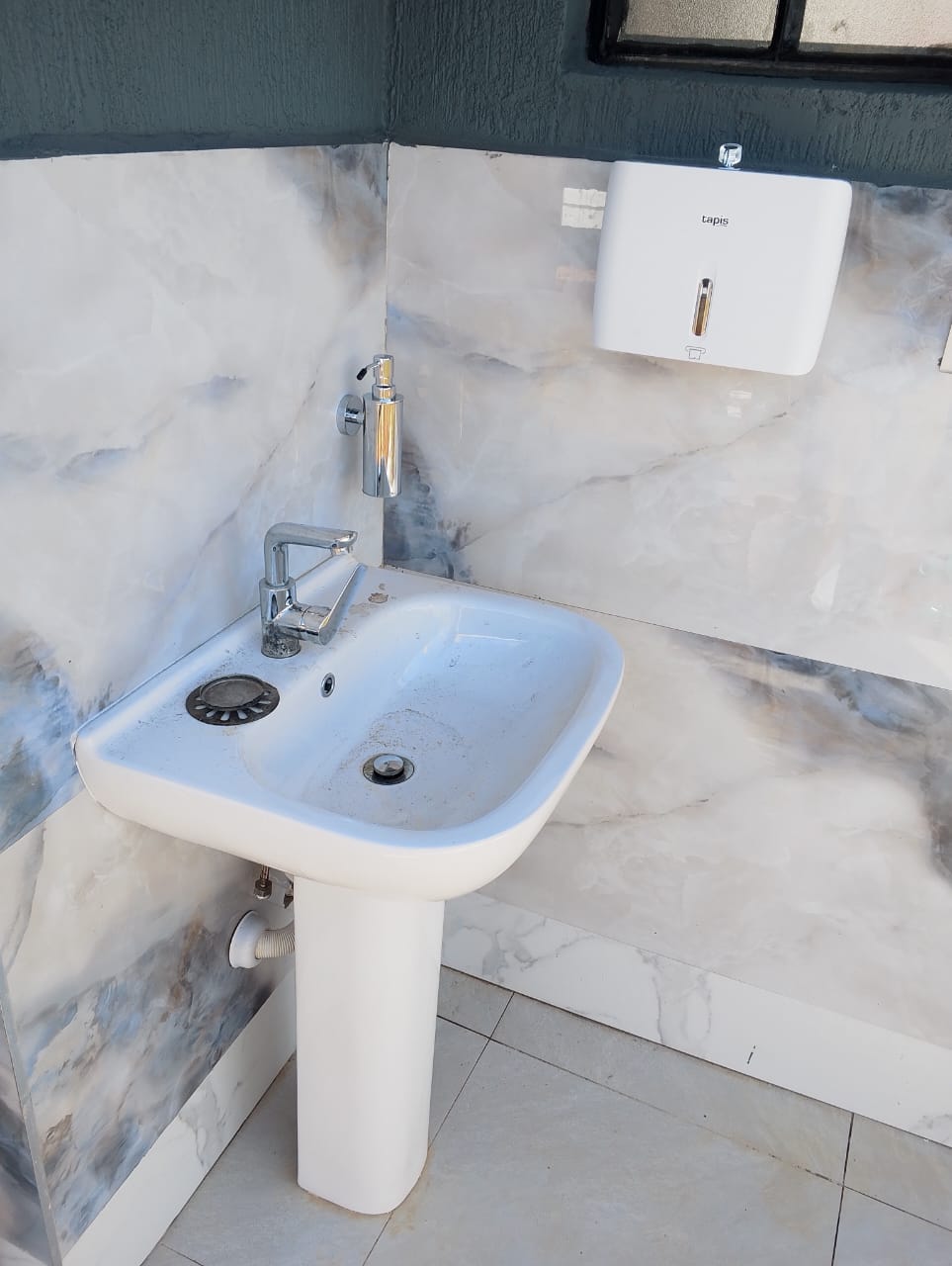
Standing water in your sink or bathtub is one of those household headaches that always seems to strike at the worst possible moment. Whether you are dealing with a slow-draining bathroom sink or a completely blocked kitchen drain, the urge to fix it fast is completely understandable. The problem? Many people reach for the most aggressive solution first and end up causing more harm than good. Learning how to unclog a drain safely protects your pipes, saves you money, and keeps your plumbing system running smoothly for years to come.
This guide walks you through every safe method for clearing a clogged drain, from simple home remedies to when it is time to call a professional plumber. We will cover what actually causes blockages, which DIY drain cleaning techniques work best, and the common mistakes that can destroy your pipes in the process.
Before you start pouring chemicals or shoving tools down the pipe, it helps to understand what you are actually fighting against. Different drains face different enemies, and knowing the culprit makes choosing the right unclogging method much easier.
In kitchen sinks, the biggest offenders are usually grease, food particles, and soap scum. Cooking oil might look harmless when it is hot and liquid, but once it cools inside your pipes, it solidifies into a sticky trap that catches everything else passing through. Coffee grounds, eggshells, and starchy foods like rice and pasta are also notorious for creating stubborn blockages deep in your plumbing system.
Bathroom drains tell a different story. Hair is the number one cause of shower and bathtub clogs, often combining with soap residue to form dense, rope-like masses that cling to pipe walls. In bathroom sinks, toothpaste, shaving cream, and mineral deposits from hard water gradually narrow the passage until water barely trickles through.
Toilet clogs typically involve too much toilet paper, non-flushable wipes, or foreign objects that should never have been introduced to the plumbing system in the first place. Understanding these causes helps you pick the safest drain unclogging approach for your specific situation.
When you are figuring out how to unclog a drain safely, the golden rule is to begin with the least invasive technique and only escalate if necessary. Your pipes will thank you for the patience, and you will avoid unnecessary damage that leads to expensive repairs.
This is the simplest and often surprisingly effective method for minor clogs, especially in kitchen sinks where grease buildup is the main problem. Boil a full kettle of water and carefully pour it directly down the drain in two or three stages, allowing a few seconds between each pour. The heat helps melt and dissolve grease and soap scum that have accumulated along the pipe walls.
However, use caution with this method. If your home has PVC pipes, extremely hot water can soften the plastic joints over time. For older homes with metal pipes, boiling water is generally safe. If you are unsure what material your pipes are made from, start with very hot tap water instead of boiling water to stay on the safe side.
This classic DIY drain cleaner is one of the safest ways to clear a clogged drain without chemicals. It works through a natural chemical reaction that fizzes and breaks down organic matter stuck in your pipes.
Here is how to do it properly. First, remove any standing water from the sink so the mixture can reach the clog directly. Pour about half a cup of baking soda down the drain, followed by half a cup of white vinegar. Immediately cover the drain opening with a plug or a damp cloth to keep the reaction concentrated downward rather than bubbling back up. Let it sit for at least fifteen minutes, then flush with hot water.
This method is completely safe for all types of pipes and is especially useful for bathroom sinks where soap scum and hair create the blockage. You can repeat the process once or twice if the drain is still slow, but if it does not improve after two attempts, the clog is likely too deep or too solid for this approach.
Sometimes the clog is close enough to the surface that you can pull it out by hand. A Zip-It tool, which is a thin, barbed plastic strip available at most hardware stores, slides down the drain and catches hair and debris on its way back up. It is inexpensive, reusable, and one of the safest drain unclogging tools because it does not require harsh chemicals or forceful pressure.
For slightly deeper clogs, a handheld drain snake or auger is your next best friend. Feed the flexible cable into the drain until you feel resistance, then rotate the handle to break up or hook the blockage. Pull it back slowly and dispose of whatever comes up. This mechanical approach is highly effective for hair clogs and small obstructions without risking pipe damage.
A plunger is a household staple, but using it incorrectly can actually make a clog worse or damage your pipes. The key is choosing the right type of plunger and using proper technique.
For sinks and flat drains, use a cup plunger with a flat rubber rim. For toilets, use a flange plunger with an extended rubber lip that creates a better seal. Never use the same plunger for both purposes for hygiene reasons, and never plunge a sink after pouring chemical drain cleaner down it. The backsplash can cause serious chemical burns.
To plunge a sink safely, seal the overflow opening with a wet rag to maintain pressure. Fill the sink with a few inches of water to create suction, then plunge vigorously up and down for about twenty seconds. Check if the water drains. Repeat a few times if needed. This method works well for clogs caused by organic material that has not hardened into a complete obstruction.
Knowing what not to do is just as important as knowing the right techniques. Some common drain cleaning mistakes can corrode your pipes, create toxic fumes, or lead to costly plumbing emergencies.
Commercial drain cleaning products promise instant results, but they come with serious downsides. The harsh chemicals in these products, typically sulfuric acid or sodium hydroxide, generate heat as they react with clogs. That heat can warp PVC pipes, corrode older metal pipes, and damage the glue that holds pipe joints together.
Beyond pipe damage, chemical drain cleaners are dangerous to handle. The fumes irritate eyes and lungs, and any splashback can burn skin. If the chemical fails to clear the clog, you are left with a sink full of toxic water that is hazardous to plunge or snake. For safe drain unclogging, skip the bottle of chemicals and stick with mechanical or natural methods instead.
It is tempting to grab a wire hanger or screwdriver and start poking around when frustration sets in, but improvised tools can scratch pipe interiors, puncture seals, or push the clog deeper where it becomes even harder to reach. Only use tools specifically designed for drain cleaning, and always work gently rather than forcing anything through.
High-pressure methods like hydro jetting are best left to professional plumbers who understand your plumbing system’s limits. Attempting to blast a clog with extreme pressure without knowing your pipe condition can burst old pipes, loosen joints, or cause water damage behind walls. If a plunger and snake do not work, that is your signal to call in an expert rather than escalate the force.
The best way to deal with a clogged drain is to stop it from happening in the first place. A few simple habits can dramatically reduce how often you find yourself standing over a sink full of dirty water.
Install mesh drain screens in every sink and shower. These inexpensive catchers trap hair, food particles, and debris before they ever enter your pipes. Clean them out weekly, and you will eliminate the majority of potential clogs at the source.
Never pour grease or cooking oil down the kitchen sink. Instead, let it cool and solidify, then scrape it into the trash. Wipe greasy pans with a paper towel before washing. Run hot water down the drain for thirty seconds after each use to help flush away any residual oils.
In the bathroom, brush your hair before showering to reduce the amount that washes down the drain. Avoid flushing anything other than toilet paper, and even then, use modest amounts. So-called flushable wipes are a leading cause of sewer line blockages and should always go in the trash.
Once a month, treat your drains to a baking soda and vinegar flush followed by hot water. This simple maintenance routine keeps buildup from accumulating and keeps your drains smelling fresh.
Even with the best DIY efforts, some clogs are simply too deep, too solid, or too complex for home remedies. Knowing when to stop and call a professional can save you from turning a minor blockage into a major plumbing disaster.
If you have tried plunging, snaking, and natural drain cleaners without success, the clog may be located deep in your main sewer line. Multiple drains backing up at once is a red flag that the problem extends beyond a single fixture. Gurgling sounds from other drains when you run water, sewage odors coming from sinks, or water backing up into tubs when you flush the toilet all indicate serious blockages that require professional equipment.
A licensed plumber can use a video camera inspection to pinpoint the exact location and nature of the clog. They have access to professional-grade drain snakes, hydro jetting equipment, and the expertise to use them without damaging your plumbing. While it costs more than a DIY fix, professional drain cleaning protects your home’s infrastructure and often comes with a guarantee.
Learning how to unclog a drain safely is a valuable home maintenance skill that every homeowner and renter should have in their toolkit. Start with the gentlest approach, boiling water or a baking soda and vinegar treatment, before moving on to mechanical tools like a plunger or drain snake. Avoid chemical drain cleaners and improvised tools that can corrode pipes or cause injury. Focus on prevention with drain screens, proper disposal habits, and monthly maintenance flushes.
When a clog refuses to budge after your best safe efforts, do not hesitate to contact a professional plumber. Protecting your pipes from damage is always smarter than achieving a quick fix that leads to a flooded kitchen or a burst pipe down the road. With the right knowledge and a patient approach, you can keep your drains flowing freely and your plumbing system healthy for the long haul.
Solar, Inverter, or Generator? Choosing Backup Power for Your Kenyan Home